

Residential Architect Hyde Park Adelaide
Hyde Park combines period houses, compact inner-southern sites and an unusually close relationship between street, garden and daily life. Good architecture here is often measured rather than loud: retain what gives the house presence, then introduce light, privacy and space exactly where they are needed.
Fine-grain streets and close neighbours make massing, overlooking and the transition from front rooms to rear garden central design questions. Where a property sits nearer a main-road or mixed-use edge, access, noise and the applicable planning policy may differ from quieter residential streets.
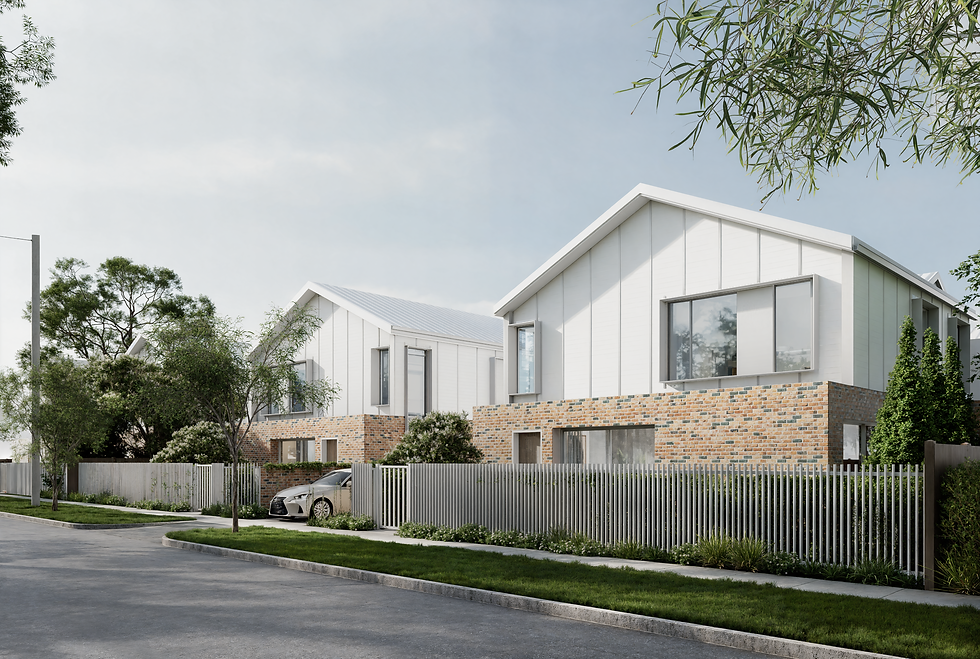
Hyde Park is within the City of Unley. Historic Area, heritage-adjacency, local heritage, tree, stormwater, airport-height or corridor-related policy may apply to an individual address, but none should be assumed suburb-wide. Use SAPPA and the Online Code to establish the current layers and assessment pathway before resolving demolition, upper-level form or boundary work.
Can a second storey be added to a Hyde Park home?
Sometimes, but the answer depends on the property. Height policy, Historic Area guidance, the existing roof, neighbour privacy, overshadowing and how visible the new level is from the street all need to be tested before an upper storey is treated as the preferred option.
What makes a rear extension feel right in Hyde Park?
A clear relationship to the retained house, controlled scale, strong natural light, privacy and useful garden space matter more than simply maximising floor area. A compact, well-placed addition can often perform better than a larger one that consumes the site.
Does proximity to Unley Road or King William Road change the planning review?
It can. Properties near activity or transport corridors may have different zoning, access, noise or built-form considerations from nearby residential streets. The address-specific Code report is the correct starting point.
Can TURNER+ test a Hyde Park layout before we buy?
Yes. We can review the available property information and your likely brief, then identify whether access, heritage, trees, boundaries or upper-level constraints could materially affect the opportunity.